How to Pace a Long Climb (Without Blowing Up)
Being tough gets you up the hill. Pacing gets you up it without falling apart.
Most riders who blow up on a long climb don't lack fitness. They lack patience. They hit the bottom too hard, chase a wheel they shouldn't, and spend the last third in survival mode. Here's how to ride a climb of 20 minutes or more so the top half feels better than the bottom half.
1. Start slower than feels right
The first five minutes of a climb feel easy because your legs are fresh and you're excited. That's the trap. Aim for an effort where you can still say a short sentence. If you use a power meter, hold roughly 85–90% of your one-hour power (FTP) for a climb of 30 minutes or more. If you use heart rate, let it rise slowly and don't spike it in the first minutes.
2. Break it into pieces
A 45-minute climb is too big to think about. Split it into chunks: hairpins, kilometre markers, or ten-minute blocks. Ride each chunk at the same effort, and only allow yourself to push harder in the last one.

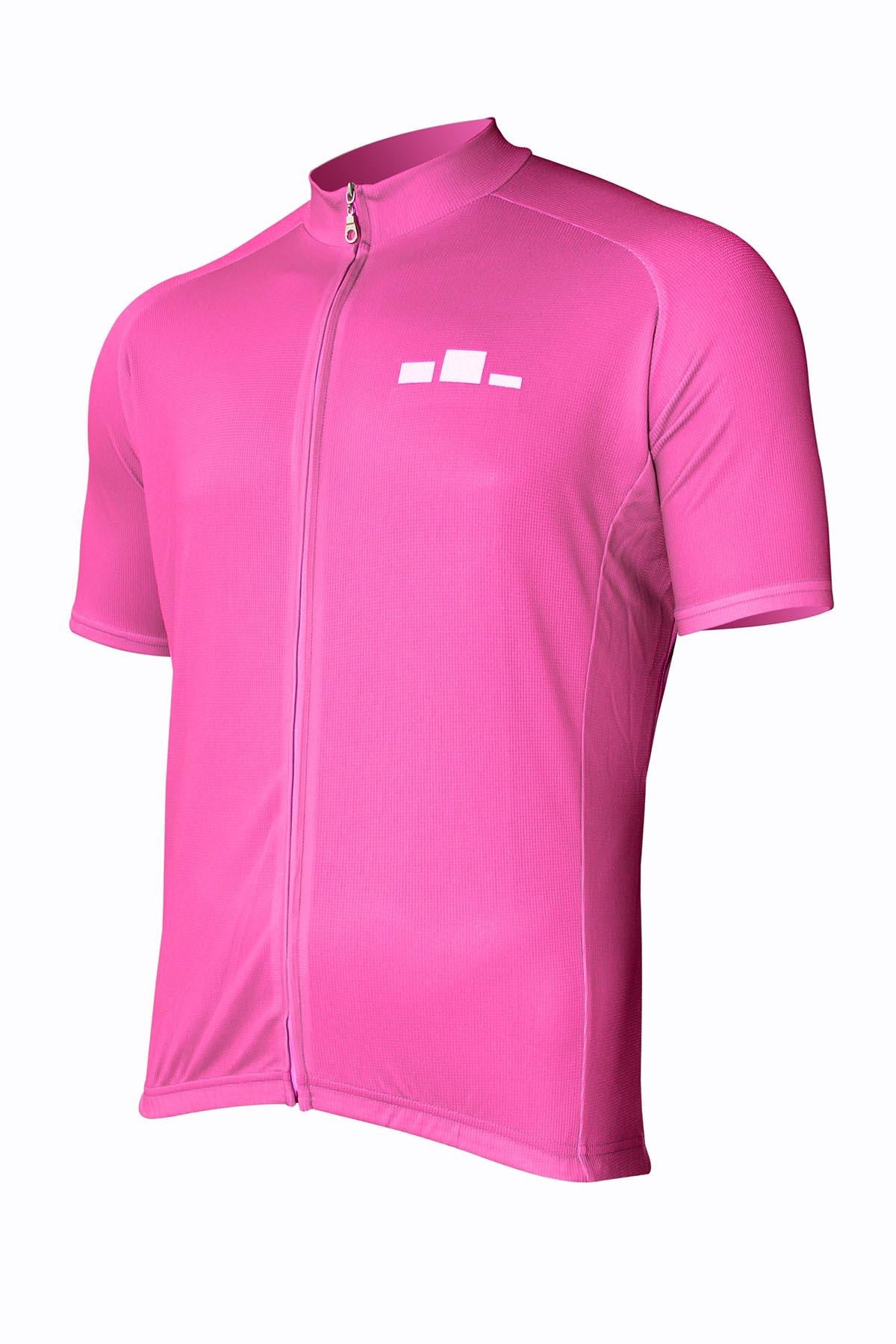
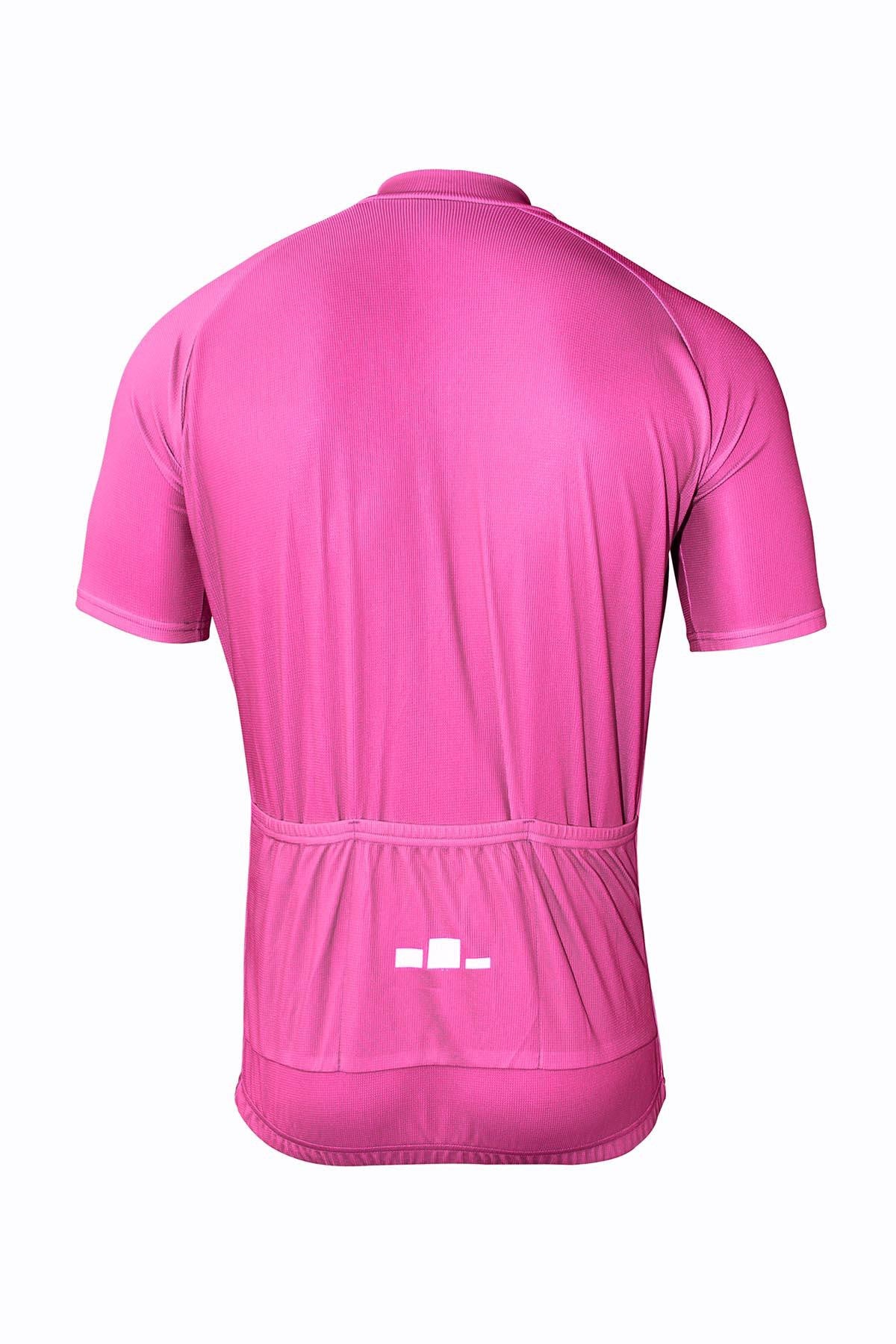
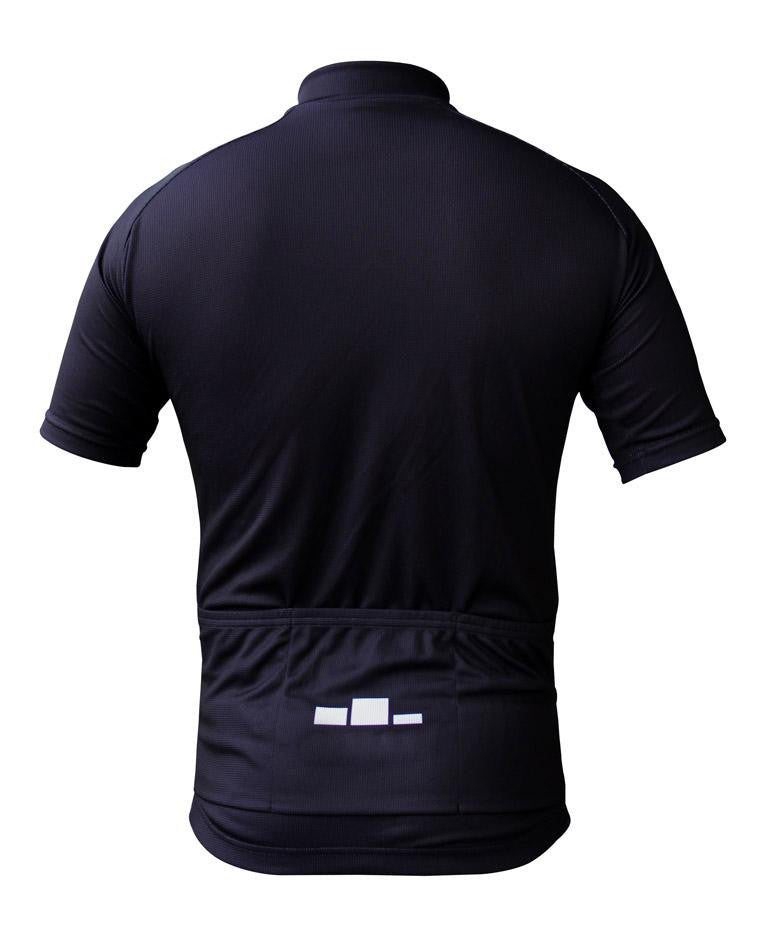
Concept image (AI visualization) of the TOUGH jersey. Bib shorts not included.
3. Ride the same effort, not the same speed
Gradients change, so your speed should too. On steeper ramps, shift down and keep the effort steady instead of standing up and surging. On the easier sections, don't relax completely: hold the effort and bank a little time.
4. Gear for the steep bits
If you're grinding under 60 rpm on the steepest sections, your gearing is too big for that climb. A cadence of roughly 70–90 rpm is easier on your legs over a long ascent. Our guide to gearing for hills explains how to choose.
5. Take the wide line on steep hairpins
The inside of a switchback is the shortest line, but it's often much steeper. On tight hairpins, the outside line keeps the gradient more even, which helps you keep a steady effort. Only do this when the road is clear.
6. Eat and drink before you need to
Eat something about 15 minutes before a long climb, and sip regularly on the way up. Once you're hungry or thirsty on a 45-minute climb, it's too late to fix.
7. Know roughly how long it will take
Knowing whether a climb will take you 40 minutes or 90 changes how you pace it. Our Alpe d'Huez climb-time guide shows how to estimate it from watts per kilo.
And when the plan falls apart
Sometimes it does. You go too hard, the wind turns, the last ramp is steeper than the profile said. That's when tough takes over from smart. We made a jersey about it: TOUGH / After the Climb, with "I might not be smart, but I am tough" across the back. $59.95, made to order in XS to 4XL and delivered in 5–6 weeks. See the size guide for fit.